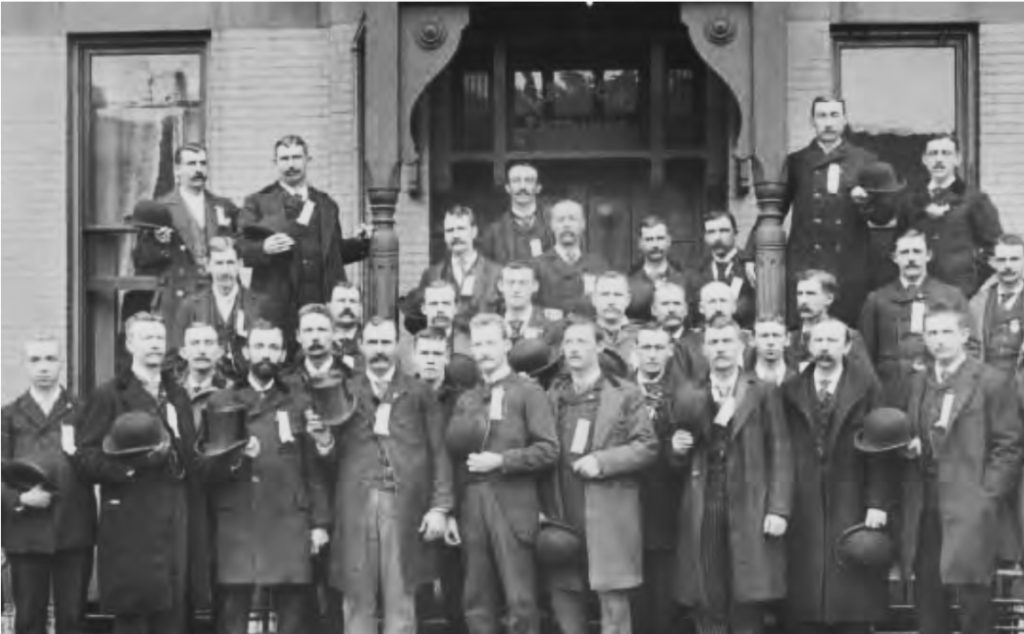
Founded in 1891 as a part of the American Federation of Labor (AFL), The International Brotherhood of Electrical Workers (IBEW) emerged out of simply horrid working conditions for electrical workers.
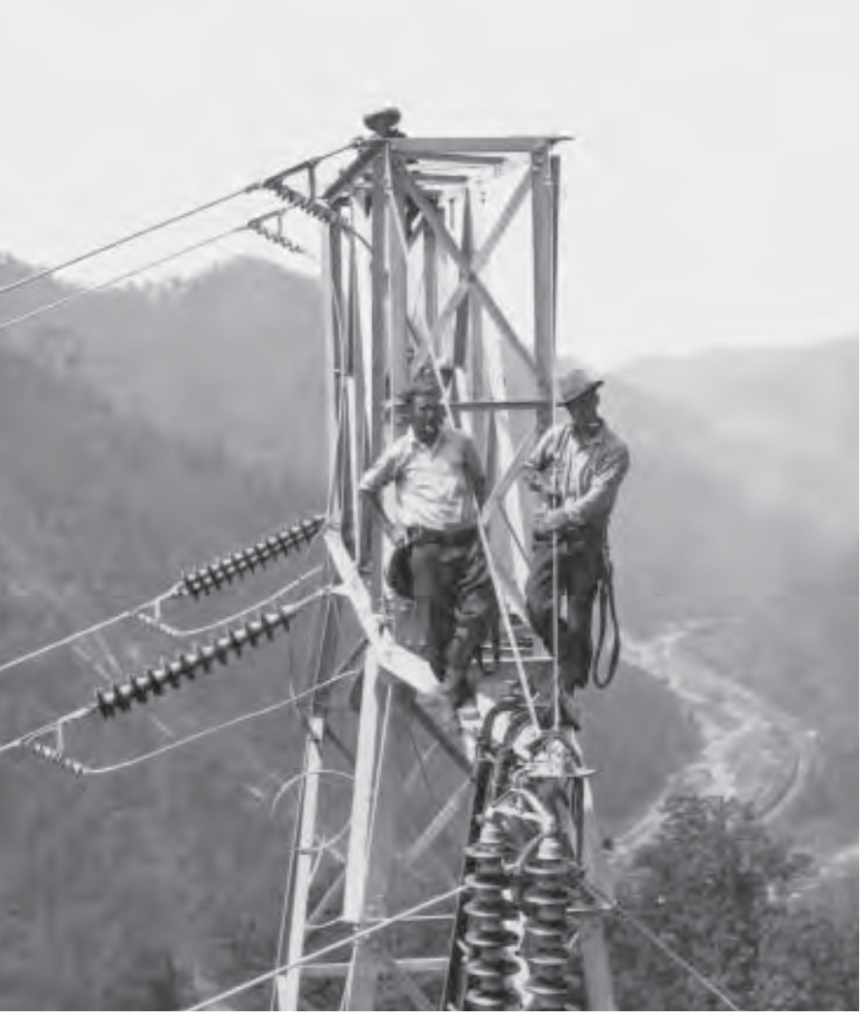
At the time, being an electrical worker meant making about $10 a week, which was low even for the era, and had a death and injury rate that was double that of other industrial jobs. At one point, a staggering 1 out of 2 linemen and wiremen died on the job in certain cities. Thus, the IBEW was founded to give these workers the working conditions that all Americans today would consider a fundamental human right.
The IBEW made history when we admitted the first women members in 1892, a year after our founding, and in the coming decades, the IBEW would largely focus on the expansion of the union. The IBEW was also a trendsetter in improving employee-employer relationships. By establishing the Council on Industrial Relations (CIR) in 1919, which allows for a balanced discussion between labor and management, the IBEW has been able to settle thousands of disputes without striking, earning them the title of “strikeless industry.” This is a model that many other unions are still trying to perfect today.
Following WWI, membership waned, but as Franklin D. Roosevelt assumed the presidency and pro-labor legislation was passed, more workers sought the benefits and protections of a union.
FDR’s pro-labor legislation paid off when the IBEW had an action plan ready for WWII only 72 hours after a formal request had been made. IBEW members served honorably during WWII in a variety of roles, both on the home front and on the war front.
As the modern era emerged, the IBEW’s membership surged, and members were guaranteed a secure retirement with robust pension plans. In fact, by 1974, about 3,000 delegates represented over a million members at the IBEW Convention. Today, the IBEW stands strong at 800,000 members, ready to serve as needed while protecting the rights and dignity of all members and their communities.